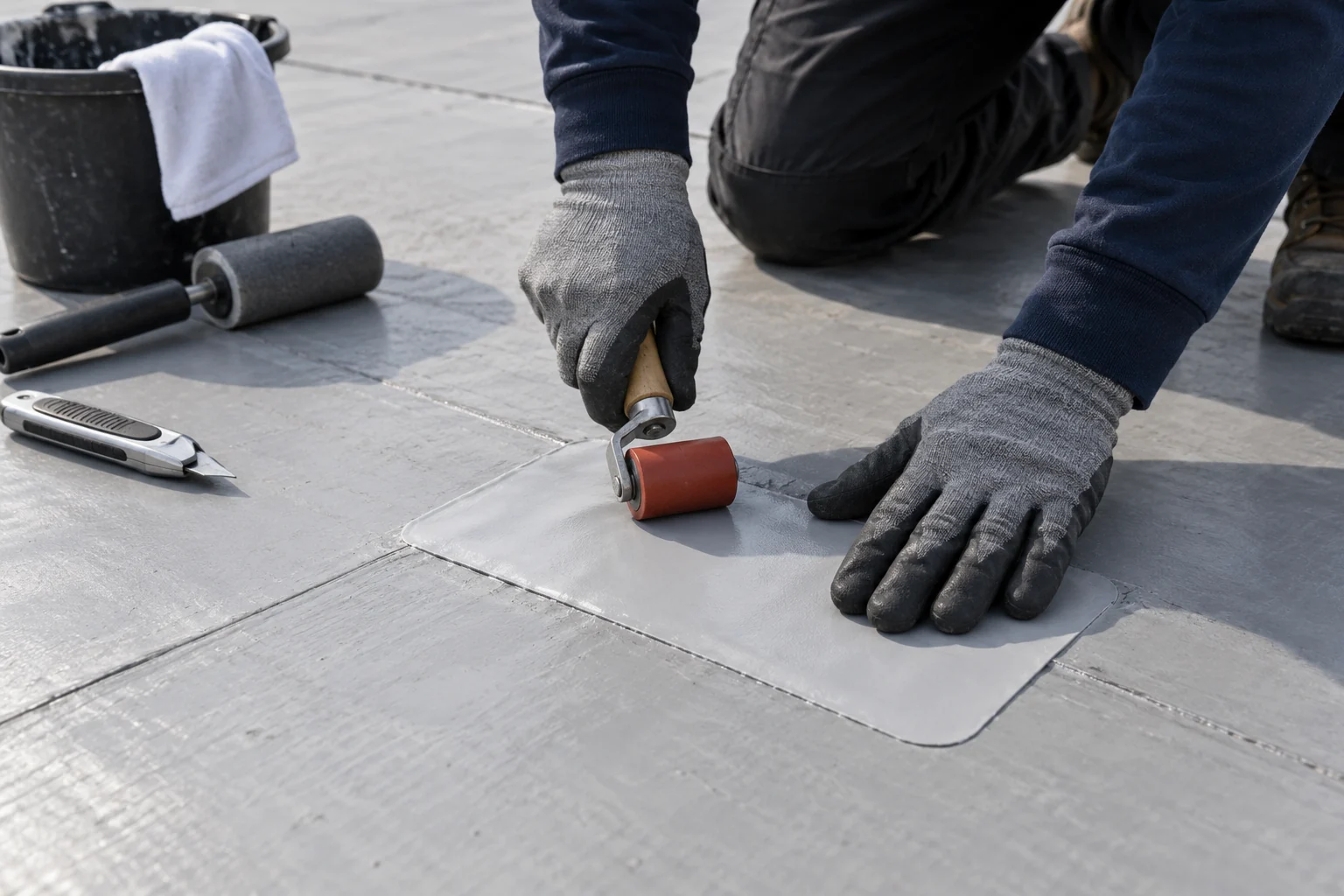
Assess Changes After A Storm
A newly noticed leak or displaced material should be reported with its location and timing. Those observations help the assessment but do not establish the cause or an insurance outcome.
Keep people away from visibly damaged or loose material and avoid entering an unsafe roof area. Photographs from a safe location can help describe the concern.
Determine A Lasting Repair
Temporary water-limiting measures and final repairs are different tasks. The lasting work needs compatible materials and a sound surrounding roof. Inspection determines whether a localized correction is sufficient or broader work is necessary.
Commercial Roof Repairs Available
We offer leak investigation, flashing repair, metal roofing repairs and assessment after reported storm damage. The Laveen service area includes Phoenix’s Laveen Village. Provide the exact commercial property location so the request identifies the building rather than relying only on a broad area name.
If the concern began after a storm, describe the observed change. If it has occurred for longer, explain the pattern. The timing helps the assessment but does not predetermine the cause or the type of repair required.
Visible Damage And Hidden Effects
A damaged surface can allow water to reach materials below it. The size of the visible opening may not match the extent of affected insulation or adjacent roofing. The inspection needs to establish those conditions before the final repair boundary is selected.
A localized defect may still support localized work when surrounding material is suitable. More extensive damage may require a broader correction. Neither conclusion should be assumed from a photograph or an interior stain alone.
Temporary Protection And Final Repair
A measure intended to limit water entry while a condition is being addressed is not necessarily the completed repair. The final work needs appropriate preparation, compatible materials and a sound connection to the retained roof. It should correct the defect rather than merely obscure it.
If temporary material is already present, mention it in the request. Its condition can affect access to the original defect and preparation for the permanent work. Do not remove it yourself to help identify the roof.
Inspect Flashing And Attachment
Storm-related concerns can involve roof edges, penetrations or attachment as well as the open surface. A repair plan should consider those components where the condition suggests they may be affected. Loose or displaced material requires attention to the actual connection, not only a surface seal.
The existing roof material also guides the method. Membrane and metal systems have different compatible components. The inspection identifies which system is present and whether the retained area can support the intended correction.
Avoid Assuming An Insurance Outcome
A roofing request is for assessment and repair. The date a symptom appeared does not itself establish the cause, responsibility or coverage. The site should not promise an insurance result or treat every post-storm leak as a verified storm claim.
What helps the roof assessment is a factual account: location, timing, visible changes and previous symptoms. That information can be considered alongside the physical condition without requiring the owner to make conclusions before inspection.
Prepare A Safe, Useful Request
Describe the concern from a safe location and keep people clear of visibly loose or damaged areas. Include access restrictions and any sensitive occupied space below the roof. The form does not require rooftop measurements or a guessed material diagnosis.
The estimate follows the repair scope established at the property. It is not generated from roof area alone, because access, details and affected layers vary. An inspection determines the suitable corrective work and whether further investigation is needed.
Can A Photo Establish The Full Storm Repair?
A photo can help explain a visible condition, but it may not show attachment, hidden moisture or the surrounding assembly. It also does not establish the cause of every defect. Use images from a safe location as supporting information rather than a substitute for inspection.
The assessment needs to identify the roof system and determine whether the affected area can connect to serviceable material. A localized repair may be possible, while wider damage can require more extensive work. Temporary patches also need consideration because they may obscure the original condition. Describe known measures without removing them yourself. The scope follows the physical roof and affected layers; the request does not promise an insurance result or infer a complete repair from the visible size of a mark.
Get A Free Estimate
Use the Laveen repair form to identify the commercial building and the observed change or ongoing leak. If the concern followed a storm, provide factual timing and safe observations without assigning a cause. The assessment establishes the roofing repair and affected materials. A request does not confirm an insurance outcome or replace inspection with an automatic price.